What exactly is it?
Metal, format, mint or refiner, weight, fineness, year if relevant, condition and quantity.
Coins, rounds and bars can all contain investment-grade gold or silver. The practical differences are recognition, mint or refiner, available sizes, premiums, storage and how easily another buyer can identify the product.
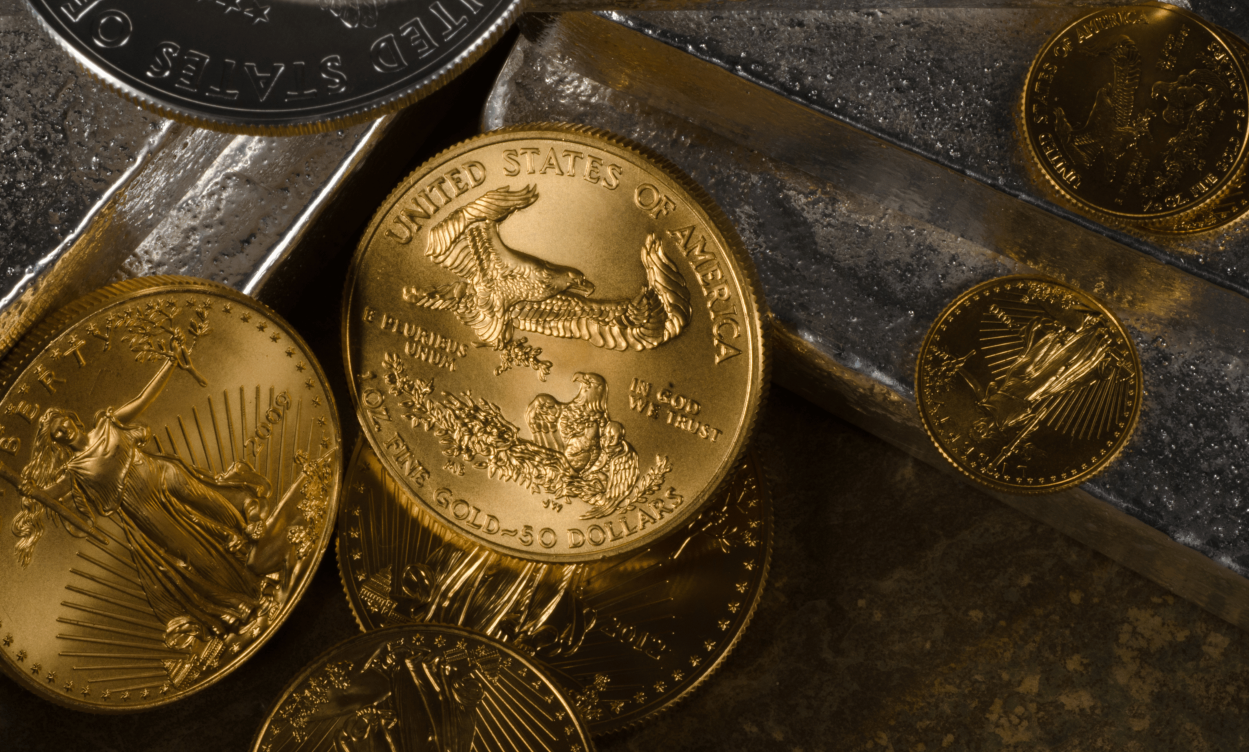
The right format depends on the transaction—not on a universal winner. A one-ounce sovereign coin, a private-mint silver round and a larger refinery bar can each be useful when the product is clearly marked, verifiable and recognized by the market.
Coins offer sovereign-mint recognition. Rounds offer familiar one-ounce bullion choices without legal-tender status. Bars provide many weights and can make larger quantities easier to organize. Always compare the exact product, current premium or spread, and dealer quote.
A bullion coin is issued by a sovereign government mint and has a face value. A round is produced by a private mint and is not legal tender. A bar is produced by a government mint, private mint or refiner and is identified by its markings.
Well-known mint and refinery names can make product identification more straightforward. Recognition is not a guarantee of price or liquidity, so the exact brand, weight, purity and condition still matter.
Retail prices and dealer bids reflect more than the spot price. Product type, fabrication, market demand, quantity, payment method and availability can affect the premium or spread at the time of the quote.
Smaller pieces can make a holding easier to divide, while larger bars can reduce the number of individual pieces that must be stored and verified. The best choice depends on the quantities you expect to buy or sell.
Bullion coins are made by government mints and carry a stated face value, although their bullion value is based primarily on metal content and the current market. Common examples include American Eagles, Canadian Maple Leafs, South African Krugerrands and other widely traded bullion issues.
Rounds resemble coins in shape but are produced by private mints and do not have legal-tender status. Many are marked with one troy ounce and .999 fine silver. Familiar designs—such as the popular Buffalo-style one-ounce silver round—can be practical, recognizable bullion choices when the markings and producer are clear.
Bars are available in many sizes, from small fractional gold bars and one-ounce products to larger silver and gold formats. They are usually stamped with the producer, metal, weight and fineness. Larger formats may be efficient for organizing more metal, but they also concentrate more value in each piece.
These are general product characteristics. A current quote depends on the exact item and market conditions.
| Format | Made by | Common reason to consider it | What to verify |
|---|---|---|---|
| Bullion coin | Sovereign government mint | Broad recognition and legal-tender status | Issue, weight, purity, condition and current premium |
| Silver round | Private mint | Common one-ounce silver format without sovereign status | Producer, weight, fineness, condition and current premium |
| Gold or silver bar | Mint or refiner | Many weights; practical organization of larger quantities | Producer, markings, assay or serial details, weight and fineness |
A precise product description helps the Metals Mint team give you a more useful answer.
Metal, format, mint or refiner, weight, fineness, year if relevant, condition and quantity.
Ask about the spot reference, product premium or spread, payment method and timing.
Inventory and premiums move. Confirm the product and quantity directly before relying on a website description.
Ask how the product will be verified, how the dealer bid is determined and what identification or documentation is needed.
Tell us whether you are buying or selling, the product type and approximate quantity. We can discuss recognized bullion formats, current availability and the information needed for a quote.
3900 Military Trail, Suite 500
Jupiter, FL 33458
Monday–Friday · 9:00 AM–4:00 PM