
What Is Fiat Currency? A Plain-Language Guide
Fiat currency is government-issued money that is not convertible into a fixed amount of gold or another commodity. Its usefulness depends on law, public acceptance, monetary institutions and confidence in what it can buy.
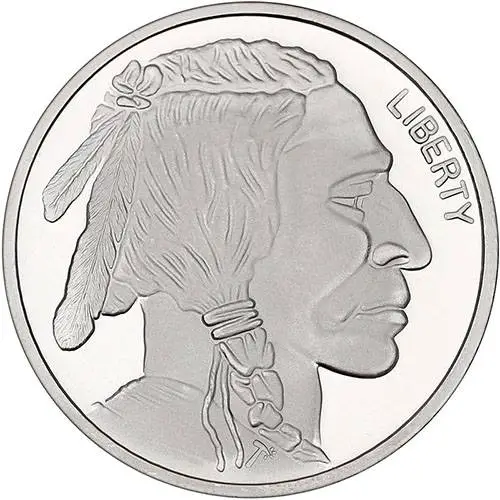
The U.S. dollar, euro and many other modern currencies are fiat currencies. They are used as units of account, media of exchange and ways to settle obligations. They do not give the holder a right to redeem each unit for a fixed weight of gold or silver.
The short answer
Fiat money is accepted because governments designate it as legal tender, institutions support the payment system and people generally trust others will accept it. Gold and silver bullion are commodities with market prices; they are not replacements for the everyday payment system.
What "Fiat" Means
In a fiat system, currency is not convertible into a fixed quantity of a commodity. The Federal Reserve describes modern fiat money as legal tender by government decree whose value depends on trust that others will accept it and that its purchasing power will remain reasonably stable.
U.S. coins and currency, including Federal Reserve notes, are legal tender for debts, public charges, taxes and dues. Legal tender status does not mean every private business must accept cash in every situation.
How Fiat Currency Works
Households and businesses use currency and bank money to quote prices, receive wages, pay bills and settle transactions. Central banks influence financial conditions through monetary policy, while commercial banks and payment networks help move money through the economy.
The value of a fiat currency is not fixed. Purchasing power can change with inflation or deflation, and exchange values move against other currencies. Sound institutions can support confidence, while severe fiscal, political or monetary instability can damage it.
Fiat Currency Compared With Physical Bullion
Currency is optimized for payments and accounting. Bullion is a physical commodity that people may buy or sell at market prices. A gold coin does not replace a checking account, and holding cash does not provide direct ownership of a scarce physical metal.
Some people compare bullion with currency because gold has a long monetary history and is held by central banks. That comparison should not become a promise that bullion will always rise when inflation increases or that it can eliminate financial risk.
Strengths and Risks of Fiat Systems
Practical strengths
- Widely accepted for prices, wages, taxes and debts.
- Supports flexible payments and credit.
- Allows monetary authorities to respond to changing economic conditions.
Important risks
- Purchasing power can decline through inflation.
- Policy errors or loss of confidence can destabilize a currency.
- Digital payment access depends on financial and technical systems.
Sources and Further Reading
These sources support the factual framework. Market data and policies can change, so check publication dates and current official material.
Fiat Currency and Bullion Compared
They serve different purposes and can coexist in the same financial life.
| Item | What it means | What it does not prove |
|---|---|---|
| Fiat currency | Payments, pricing and settling obligations supported by institutions and public acceptance | Inflation, policy and currency risk |
| Physical bullion | A tangible commodity valued through metal content, product recognition and market demand | Price volatility, premiums, storage and liquidity |
Questions to Ask
Use these questions to separate product facts, policy facts and market scenarios.
What problem am I solving?
Daily liquidity, emergency cash, long-term savings and physical bullion are different needs.
How much price movement can I tolerate?
Gold and silver prices fluctuate; bullion is not a fixed-value cash substitute.
Where will assets be held?
Cash, bank deposits and physical metals each have different custody risks.
What are the transaction costs?
Compare bank or brokerage costs with bullion premiums, spreads, storage and insurance.
Contact the Metals Mint Team
Tell us whether you are buying or selling, the exact product and approximate quantity. We can discuss recognized bullion formats, current availability and the information needed for a quote.
Metals Mint
3900 Military Trail, Suite 500
Jupiter, FL 33458
Monday–Friday · 9:00 AM–4:00 PM